
Medications, Pilots & Flight
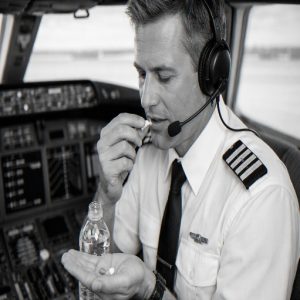
Medications, Pilots, & Flight
Matthew M. Cooper, MD MBA FACS FAsMA FCAMA CPL CFI
Contained in the “IMSAFE” checklist that pilots should complete at a minimum during the planning phase and before flight is the use of medications and their potential impact on pilot performance and safety. However, it is not just prescribed medications that may be of concern. Over the counter products and even nutritional supplements may have unintended consequences. Pilots often think of the medications that can make you sleepy or slow to respond, such as allergy medications, decongestants, and the residual of sleeping aids. There are also a group of medications and other agents that are not usually considered that can have insidious and potent effects. These fall into several related classes.
Agents That Dehydrate
Diuretics (aka “water pills”) such as Lasix or HCTZ reduce your circulating volume. At some level, this may result in altered cognition and reduces your resting and maximal tolerance of G forces in flight (mostly +Gz). Caffeine has a similar effect and may also cause heart rhythm abnormalities.
Agents That Dilate
Drugs in this category dilate arteries and reduce their tone. Ingested alcohol (i.e., ethanol, the drinking kind) can do this as well. While it has been suggested that Col. Gregory “Pappy” Boyington may have flown while intoxicated if not just hung over, none of us is Boyington.
Medications That Block
The mechanism of action of many common medications is to block a normal physiologic process and results in relaxation of the target organ. These are often used to treat high blood pressure or other cardiac conditions. These drugs may inhibit the normal response to increase vascular tone and cardiac output (pumping of the heart). Possibly familiar blockers include:
- Beta: metoprolol (Lopressor), propranolol (Inderal), atenolol – reduce strength of cardiac contraction and response;
- Alpha: terazosin (Hytrin), doxazosin (Cardura) – dilate arteries; Flomax (prostate) – relax muscles;
- Calcium Channel: nifedipine, diltiazem – relaxes arteries/heart;
- ACE Inhibitors: lisinopril, enalapril (Vasotec) – relaxes arteries;
- Angiotensin II Receptor (ARBs): losartan – relaxes arteries;
- Erectile Dysfunction: Viagra, Cialis– relaxes muscle in blood vessels.
Over the counter products and various supplements may also have important effects. For example, Hibiscus tea has antioxidants that may lower blood pressure.
The key is to remember that even prescribed medications and otherwise “healthy” products may have unintended consequences. Ask your AME or a suitable aeromedical expert!



Is it true that Benadryl causes most aviation fatalities?
Historically, Benadryl (dephenhydramine HCL) is the medication most often found in fatal accidents. THC (Tetrahydrocannabinol) the psychoactive compound in cannabis / Marijuana, may have taken the top position most recently. Over the counter medications AND herbal preparations & supplements are not always safe for flight deck use.
Is there a larger list of FAA approved drugs?
Technically, the FAA does not “approve” meds but they accept or allow certain medications for each pilot on a case by case basis. Pilot Medical has a larger list at Leftseat.com/faa-accepted-medications/